



Discover expert tips and strategies from Techtenstein for creating impactful print designs, including brochures, flyers, and business cards, to elevate your brand’s presence offline.
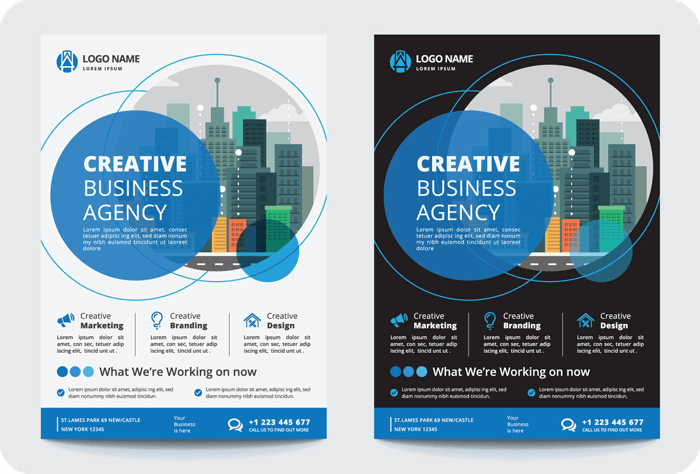
Brochures and flyers remain powerful marketing tools, even in the digital age. They offer a tangible way to communicate your brand’s message and reach potential customers. To create effective and visually appealing print materials, follow these best practices for brochure and flyer design.

1. Know Your Audience
Before starting the design process, understand your target audience. Tailor the content and design elements to resonate with their preferences and needs. Consider factors such as age, interests, and the specific information they seek.
2. Define Your Purpose
Clearly define the purpose of your brochure or flyer. Are you promoting a product, announcing an event, or providing information about your services? Knowing your goal will help you structure the content and design to achieve the desired outcome.
3. Compelling Headlines and Subheadings
Grab attention with compelling headlines and subheadings. Use clear, concise language that immediately communicates the main message. Headlines should be bold and eye-catching, while subheadings can help organize the content and make it easier to read.
4. Engaging Visuals
High-quality images and graphics are crucial for attracting attention and conveying your message effectively. Use relevant and professional images that enhance the content. Avoid overcrowding the design with too many visuals; instead, focus on a few impactful images.
5. Consistent Branding
Maintain consistent branding throughout your brochure or flyer. Use your brand’s color palette, fonts, and logo to create a cohesive look. Consistency reinforces brand recognition and trust.
6. Readable Typography
Choose fonts that are easy to read, even at smaller sizes. Use a hierarchy of fonts to differentiate between headings, subheadings, and body text. Avoid using too many different fonts, as this can make the design look cluttered.
7. Effective Use of Space
Utilize white space effectively to avoid a cluttered appearance. White space, or negative space, helps highlight important elements and makes the content more readable. It also gives the design a clean, professional look.
8. Clear and Concise Content
Keep the content clear and concise. Use bullet points, short paragraphs, and lists to break up text and make it more digestible. Focus on the most important information and avoid overwhelming the reader with too much text.
9. Call to Action
Include a clear and compelling call to action (CTA). Whether it’s directing the reader to your website, encouraging them to attend an event, or prompting them to contact you, make sure the CTA is prominent and easy to follow.
10. Quality Printing
Choose a reputable printing service to ensure high-quality output. Pay attention to paper quality, finishes, and colors. A well-printed brochure or flyer reflects positively on your brand and makes a lasting impression.
11. Proofread and Test
Proofread all text for errors and ensure all information is accurate. Test the design by printing a sample to check for any issues with layout, color, or readability. Make adjustments as necessary before the final print run.
12. Distribution Strategy
Plan your distribution strategy. Determine the best places and methods to distribute your brochures and flyers to reach your target audience effectively. Consider locations such as trade shows, events, retail locations, and direct mail campaigns.
1. Understanding the Basics of Print Design
- Design Principles
- Discuss fundamental design principles such as balance, hierarchy, contrast, and alignment, and their application in creating visually appealing print materials.
- Typography
- Explore the importance of selecting appropriate fonts, font sizes, and typography styles to convey brand personality and enhance readability in print designs.
2. Planning Your Print Design Project
- Defining Objectives
- Identify the goals and objectives of your print design project, whether it’s promoting a product, showcasing services, or networking at events.
- Audience Research
- Conduct audience research to understand the preferences, demographics, and interests of your target audience, informing design decisions that resonate with them.
3. Designing Effective Brochures
- Structuring Content
- Discuss how to organize content logically within brochures, including sections for introduction, features, benefits, testimonials, and call-to-action.
- Visual Elements
- Explore the use of images, illustrations, and graphics to complement written content and engage readers visually.
4. Creating Eye-Catching Flyers
- Focus on Impactful Headlines
- Emphasize the importance of concise and attention-grabbing headlines that communicate the key message of the flyer effectively.
- Utilizing Color
- Discuss the strategic use of color to evoke emotions, convey brand identity, and enhance the overall visual appeal of flyers.
5. Crafting Memorable Business Cards
- Designing for Brand Consistency
- Ensure that business cards reflect the brand’s visual identity, including logo, colors, fonts, and messaging, for cohesive brand representation.
- Incorporating Contact Information
- Provide guidance on including essential contact details such as name, title, phone number, email, website, and social media handles on business cards.
6. Choosing the Right Printing Techniques and Materials
- Paper Selection
- Discuss different types of paper stock, finishes, and weights available for print materials, and their impact on the final look and feel.
- Printing Methods
- Explore various printing techniques such as offset printing, digital printing, and specialty finishes like embossing, foil stamping, and spot UV.
7. Optimizing for Print Quality
- Resolution and File Formats
- Explain the importance of high-resolution images and vector graphics, as well as suitable file formats such as PDF, EPS, and AI for print production.
- Proofreading and Prepress Checks
- Stress the need for thorough proofreading and prepress checks to identify and rectify any errors or issues before sending designs to print.
8. Integrating Print Design with Digital Marketing
- Cross-Promotion Strategies
- Explore ways to integrate print materials with digital marketing channels such as websites, social media, and email marketing for a cohesive omnichannel strategy.
- QR Codes and NFC Technology
- Highlight the use of QR codes and NFC technology on print materials to drive online engagement, track conversions, and measure campaign effectiveness.
9.Print Production and Finishing Techniques
- Paper Selection
- Provide guidance on selecting appropriate paper stocks based on factors such as durability, finish, and budget, ensuring optimal print quality and tactile experience.
- Finishing Touches
- Explore various finishing techniques such as embossing, foiling, and spot UV coating to add visual interest and enhance the perceived value of print materials.
10.Incorporating Brand Identity
- Consistency
- Emphasize the importance of maintaining brand consistency across all print materials, including logos, colours, fonts, and messaging, to reinforce brand identity and build brand recognition.
- Customization
- Encourage readers to tailor print designs to reflect their unique brand personality, values, and positioning in the market.
Creating effective brochures and flyers requires careful planning and attention to detail. By understanding your audience, maintaining consistent branding, using high-quality visuals, and focusing on clear, concise content, you can design print materials that effectively communicate your message and engage your audience. Follow these best practices to ensure your brochures and flyers make a strong impact and elevate your brand’s presence.